
If you are thinking about a natural burial in the UK, you may be asking a simple question: What makes a burial ground ‘natural’?
The term is widely used in eco-friendly funerals and green burial options, but not all burial grounds are the same. This guide explains what ‘natural’ really means, how these places differ from traditional cemeteries, and what to look for when choosing one.
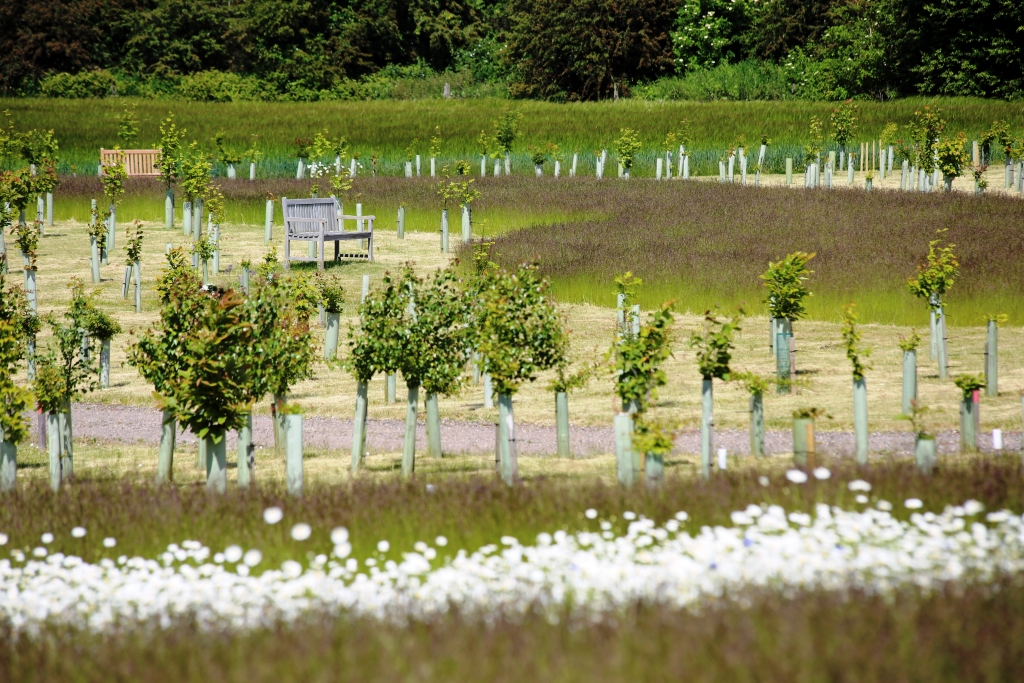
Key features of natural burial grounds
A burial ground is considered natural when it allows the body (or ashes) to become part of the earth in an eco-friendly way, causing environmental benefits rather than harm. Most natural burial grounds in the UK follow a similar approach, even though each site is slightly different.
Below we list five key features that the majority of natural burial grounds have in common.
1. Biodegradable materials
A key feature of natural burial is that everything placed in the ground must be fully biodegradable, meaning it will be able to break down naturally.
This usually means coffins made from materials such as wood, wicker, bamboo or cardboard, or shrouds made from natural fabrics like cotton or wool.
Flowers and tributes are also kept natural. Materials like plastic, metal or synthetic linings are not allowed, as they do not break down and can harm the soil. The aim is to leave nothing behind that would interrupt the natural cycle of the land.
This may at first glance seem like a lot of restrictions, but in fact there are many wonderful, natural opportunities here. Think locally grown flowers, beautiful natural coffins, wildflower seeds or wooden plaques inscribed with meaningful messages. Check with your chosen burial ground what is permitted and they should have some lovely ideas to inspire you with.
2. No embalming chemicals
Natural burial does not usually involve embalming. This is because the chemicals used to preserve the body can affect the soil and surrounding environment. Instead, the body is allowed to decompose naturally, becoming part of the landscape over time.
There are some exceptions. For example, if someone needs to be brought back to the UK from abroad, embalming may be required for legal or practical reasons. Most natural burial grounds understand this and will still allow burial in these circumstances, but it is always best to check with the individual site.
3. A setting that supports nature
Most green burial sites in the UK are found in peaceful, natural settings such as woodlands, wildflower meadows or open countryside. Each site is different and natural burial grounds are beautifully diverse!
Unlike traditional cemeteries, these spaces are managed with nature in mind. The focus is often on protecting existing habitats and encouraging wildlife to thrive. Over time, many natural burial grounds develop into rich, living landscapes filled with native plants, birds and insects.
For many people, there is comfort in knowing that a place of rest can also support new life. Natural burial grounds can be beautiful places to visit for years to come, remembering loved ones while immersed in nature, taking a gentle stroll, picnicking or walking the dog.
4. A low-impact approach
Natural burial grounds are designed to have as little impact on the land as possible. You will not usually find concrete vaults or large stone memorials. Instead, some sites use simple wooden markers or planting, while others leave the land unmarked so it can remain undisturbed.
Maintenance is also more gentle than in traditional cemeteries. Grass may be left to grow naturally, and the overall feel is closer to a nature reserve than a formal burial ground.
5. Burial of bodies and ashes
Many natural burial grounds in the UK also offer the option to bury ashes – usually referred to as interment of ashes. This can be a meaningful choice if you are considering cremation but still want an environmentally conscious option.
Although scattering ashes may seem natural, cremated remains are quite alkaline and can affect soil and plant life, especially if scattered in one place. Burying ashes in the ground, often in a biodegradable urn or directly into the soil, allows them to integrate more gently into the environment.
It also creates a place where friends and family can return to remember.
How is a natural burial ground different from a traditional cemetery?
Traditional cemeteries in the UK are often more formal in both appearance and approach. You will usually see rows of headstones, clearly defined plots and carefully maintained lawns. These spaces are designed to be orderly and consistent, and they are often managed in a way that keeps them looking the same over time.
They may also allow materials and practices that are not always environmentally friendly, such as coffins with metal fittings or synthetic linings, and embalming to preserve the body.
Natural burial grounds offer a different experience. Instead of formal layouts, they tend to follow the shape of the landscape. Graves are not always marked in the same way, and in some cases may not be marked at all. Trees, wildflowers and natural features often take the place of stone memorials.
The focus is less on structure and permanence, and more on simplicity and returning to nature. The land is usually managed more gently, with the aim of supporting wildlife and allowing the environment to develop over time.
For many people, this creates a space that feels quieter and less structured – more like a natural place to visit than a traditional cemetery.
There is no right or wrong choice. Some people find comfort in the familiarity and permanence of a traditional cemetery, while others are drawn to the softer, more natural setting of a natural burial ground.
Are all natural burial grounds the same?
Not exactly. In the UK, there is no single legal definition of a natural burial ground, which means practices can vary from one place to another.
However, most follow a similar code of good practice. This usually includes using biodegradable materials, avoiding embalming wherever possible, and managing the land in a way that supports wildlife and the environment.
Because there are differences, it is always worth asking questions and understanding how each site works before making a decision.
Choosing a natural burial ground
If you are thinking ahead and considering a green burial for yourself or a loved one, it can help to take your time and visit a few burial grounds if you are able to. This will give you a sense of the space and how it is cared for, as well as how sites can differ quite substantially from eachother. Speaking to those who manage the grounds can also help you understand what is possible and what feels right.
You may also find it helpful to explore other guidance on Dying to Go Green.
Defining natural burial in simple terms
To summarise, a natural burial ground is defined not just by where it is, but by how it is cared for.
It is a place where everything is designed to work in harmony with nature. Materials are chosen because they can return safely to the earth. Harmful chemicals are avoided wherever possible. The land is protected and allowed to grow, rather than being heavily managed or altered. Each site may look a little different, but the intention is the same – to create a space that feels peaceful, natural, and lasting.
For many people, that means choosing a resting place where life continues, and where the environment is supported for future generations.
Find a natural burial ground near you
If you would like to explore your options, you can browse sites across the UK on the Dying to Go Green directory of natural burial grounds. Taking that first step can help you find a place that feels right for you or your loved one. Somewhere that is peaceful, personal and in harmony with nature.