
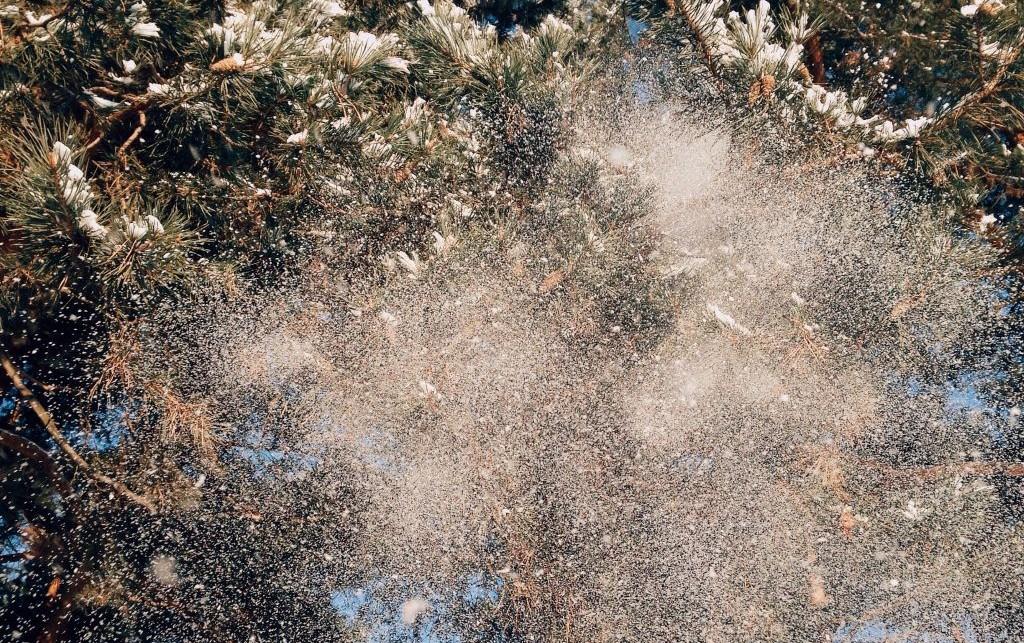
Following a cremation, scattering a loved one’s ashes at a place that meant something to them is one of the most personal ways to say goodbye. Many describe feeling a sense of peace or ‘closure’ following this act, so it can be a deeply meaningful moment in the end-of-life process. But what most people are never told is that cremated remains can have a detrimental effect on the places where they are scattered. So if this is something that concerns you, you may be interested to learn more about the environmental impact of cremation ashes, the least impactful methods for scattering ashes, and the alternatives available if you choose not to scatter.
What are cremated remains made of?
The word ‘ashes’ to describe cremated remains is not quite accurate. They are in fact sterilised bone – closer in nature to a ground fossil than to the wood ash from a fireplace. This distinction matters because it shapes what happens when they come into contact with soil, water and plant life.
Cremated remains are highly alkaline and contain very high concentrations of sodium and other minerals. Unlike organic matter, they do not break down and gradually become part of the soil over time. They remain in the ground for many decades, continuing to affect the surrounding area long after they have been scattered or buried.

What happens to the environment when ashes are scattered?
The high alkalinity of cremated remains can significantly alter the pH of the soil around them, disrupting the delicate balance that plants, fungi and soil organisms depend on. The concentration of sodium can also damage roots and prevent plants from absorbing water and nutrients properly.
This effect also spreads, because cremated remains do not stay exactly where they land. When moisture moves through the soil, it carries minerals with it, extending the impact beyond the original scattering point. This is why some places that once allowed ashes to be scattered have now stopped doing so. Certain football grounds no longer permit it, some areas of natural beauty have introduced restrictions, and crematoriums replace their flower beds far more frequently than you might expect.
Research by Living Memorial, a UK company that has spent years studying the science of cremated remains, found that 61% of people are unaware of these environmental effects, yet the vast majority say they would prefer a more environmentally considerate memorial. This highlights the importance of spreading awareness, enabling us all to make informed choices.
What about planting ashes with a tree?
Planting a memorial tree alongside cremated remains is a lovely gesture that many families find enormously comforting. The difficulty is that without any preparation, the ashes can harm or even kill the tree they were intended to nourish. This is due to the alkalinity and mineral concentration of untreated cremated remains creating conditions that inhibit root growth and disrupt the tree’s ability to take in water. The sapling may look fine initially, but then suddenly deteriorate. And once that process begins, it is very difficult to reverse.
Living Memorial describes this as a risk of ‘second bereavement’: the loss of the plant or tree that was meant to honour someone can bring a fresh wave of grief on top of the one that is already being carried. It is an outcome that nobody intends, but one that can be easily avoided by considering the alternatives.
What are the alternatives to scattering ashes?
There are several options that honour cremated remains in a way that is meaningful, personal and much kinder to the environment.
Interment at a natural burial ground
Most natural burial grounds in the UK will inter cremated remains as well as bodies. Interring ashes in a natural burial ground gives the family a permanent, beautiful place to return to, surrounded by woodland, wildflower meadow or open countryside. The impact on the ground is localised and managed by the custodians and staff onsite, who will all understand how to handle cremated remains responsibly and nourish the surrounding land.
It also means there is somewhere fixed to go. For many families, that matters deeply over time, particularly for children and grandchildren who want a place to return to.
mixing ashes with Soil blends
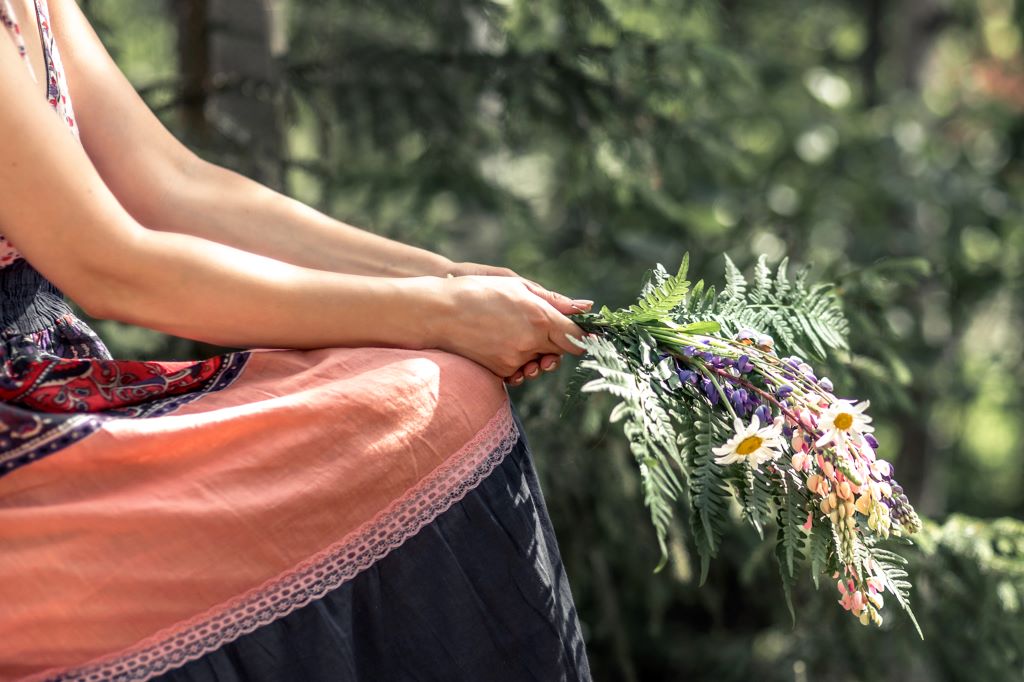
A number of specialised soil blends are available that can be mixed with ashes to neutralise their high alkalinity, sodium and potassium. This is particularly beneficial for those who wish to inter ashes in a garden, plant a tree or sprinkle wildflowers to create a natural memorial.
This approach allows families to create something positive and lasting from the ashes – something that grows and changes with the seasons in honour of the person they have lost.

Water cremation
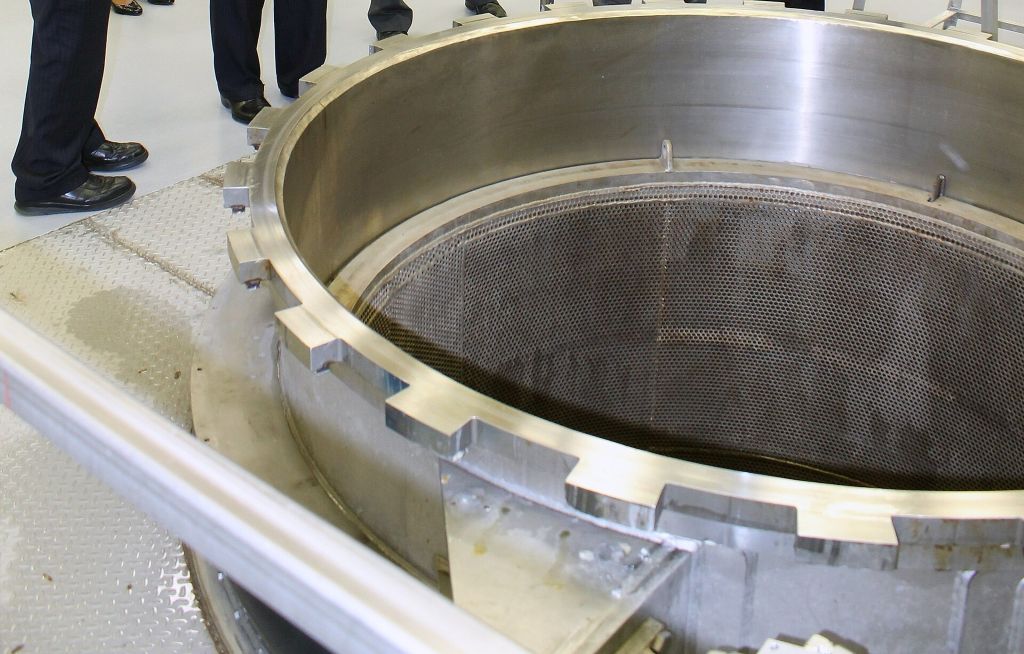
Also known as alkaline hydrolysis or resomation, water cremation is a more eco-friendly alternative to traditional flame cremation as it uses water and an alkaline solution to return the body to its natural elements, producing significantly lower carbon emissions.
Following a resomation, the remains are softer and finer in texture than those from a conventional cremation, which makes it easier to scatter them smoothly without them clumping or blowing back in the wind. However, like standard cremated remains, resomated ‘ashes’ have high alkalinity and pH levels, so scattering them in a concentrated spot can cause damage.
Water cremation is likely to grow in availability across the UK in the coming years. It was officially legalised in Scotland in 2026, with operational facilities expected to open soon. So if you’d rather choose cremation over burial and would like an eco-friendly alternative, this could be a good option. But when it comes to scattering, the results are broadly the same.
Keeping and storing ashes
Many people choose to keep hold of ashes instead of scattering or interring them – perhaps in a special place in the house to give the feeling that their loved one is still with them.
While this is a perfectly acceptable choice, remember that the ashes will need to be disposed of eventually, even if it’s many years down the line, so putting some thought into the best way to do that is definitely worthwhile. It could be that you specify to your family or in your will where you’d like your own ashes to be scattered or interred alongside the ashes of your loved one, when the time is right.
To scatter or not to scatter?
We hope this article has been useful if you were hoping to answer this question. Choosing how, when and where to release the ashes of a loved one is a deeply personal decision, but armed with the facts we hope you will be able to make a meaningful and eco-friendly choice.
Sources and further reading
To find out more about the environmental impact of scattering ashes and the alternatives available, you may wish to visit livingmemorial.co.uk
Looking for somewhere to scatter ashes near you?
Looking for a natural burial ground that accepts cremated remains, or an eco-friendly funeral product or service near you? Search the Dying to Go Green directory to find options across the UK.