
Planning a funeral or thinking about your own wishes can feel overwhelming, especially when you want the choices you make to reflect your values. In recent years, many people in the UK have begun exploring natural burial and green funerals as a more environmentally conscious and meaningful way to say goodbye. These options offer a gentle return to nature, often in peaceful landscapes such as woodland or wildflower meadows, and can create a lasting legacy for both loved ones and the environment. This guide explains what natural burial is, how it works, and why it has become an increasingly popular choice for those seeking a more sustainable funeral.
What is a natural burial?
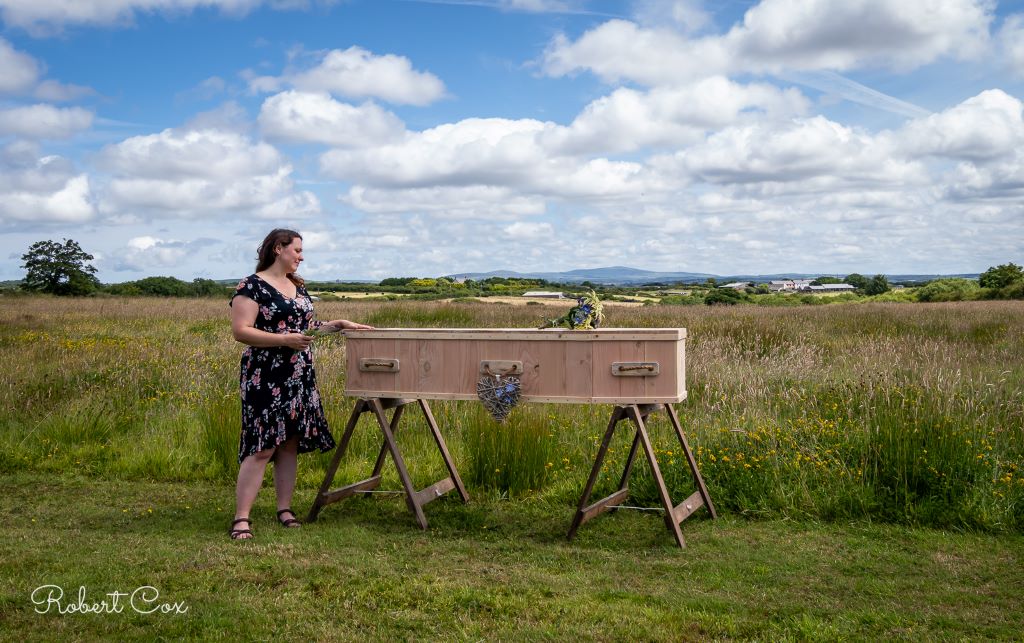
A natural burial is an environmentally friendly way of laying someone to rest. Instead of using chemicals or non-biodegradable materials, the body is buried in a way that allows it to return naturally to the earth. This usually means no embalming and the use of biodegradable coffins, shrouds or urns made from materials such as untreated wood, willow, bamboo or cardboard.
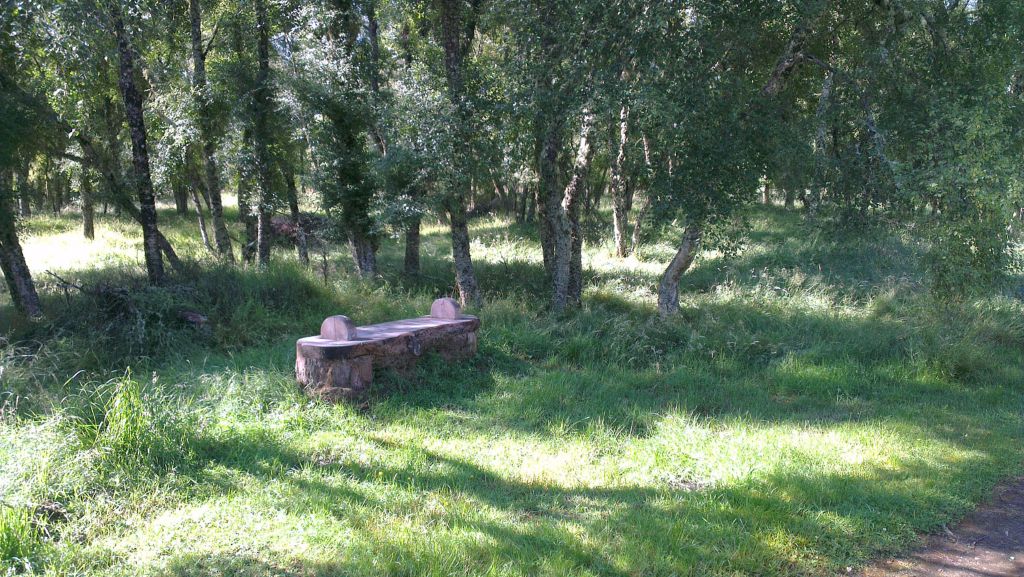
Natural burials typically take place in specially managed natural burial grounds rather than traditional cemeteries. These spaces are often designed to protect and encourage wildlife, with landscapes that may include woodlands, wildflower meadows or conservation areas. The aim is to allow nature to flourish while also providing a peaceful place for remembrance.
For many families, the idea of returning to the earth in a natural setting feels comforting and meaningful. Instead of polished stone memorials or manicured lawns, the surroundings remain closer to nature, creating a calm and reflective environment for visits.
Why more people are choosing green funerals
Growing awareness of environmental issues has led many people to consider how their funeral choices might affect the planet. Traditional funerals can involve materials and processes that have a significant environmental impact, including metal or hardwood coffins, concrete vaults, and chemical embalming fluids.
Green funerals aim to reduce that impact as much as possible. By avoiding harmful chemicals and using biodegradable materials, natural burial allows the body to decompose naturally and nourish the soil. The carbon footprint can also be lower because there is no fuel burned, as happens during cremation.
For many people, this approach aligns with a desire to live—and die—in a way that respects the natural world. It can also provide a sense of continuity, where a final resting place becomes part of a living landscape that supports trees, wildflowers and wildlife.
What happens at a natural burial?
Although natural burials follow certain environmental principles, the ceremony itself can be as personal as any other funeral. Families can still include readings, music, religious rituals or moments of reflection, depending on what feels meaningful to them.
Services are often held outdoors, either beside the grave or in a simple shelter within the burial ground. Without the strict time limits sometimes associated with crematorium services, families often appreciate having more space and time to say goodbye in their own way.
The atmosphere tends to be quieter and more informal than many traditional funeral settings. Surrounded by trees, birdsong and open landscapes, some people find this environment brings a sense of peace and connection during a difficult time.
The principles behind natural burial
Every natural burial ground has its own guidelines, but most follow a similar set of environmentally focused principles.
One key rule is that everything placed in the grave must be biodegradable. This applies not only to coffins or shrouds but also to items left at the graveside, such as flowers or tributes. Plastic and other non-natural materials are usually not permitted.
Another important principle is avoiding embalming. Embalming fluids often contain chemicals such as formaldehyde, which can be harmful to soil and wildlife. Natural burial grounds generally ask that the body is not embalmed unless there are exceptional circumstances.
Memorials are also kept simple to preserve the natural landscape. Instead of large headstones, graves might be marked with a wooden plaque, a flat natural stone, or sometimes a tree or wildflowers planted nearby. Over time, the area blends back into the surrounding environment.
A place that becomes part of nature
One of the most distinctive aspects of natural burial grounds is how they evolve over time. Rather than remaining static like many traditional cemeteries, these spaces often develop into thriving natural habitats.
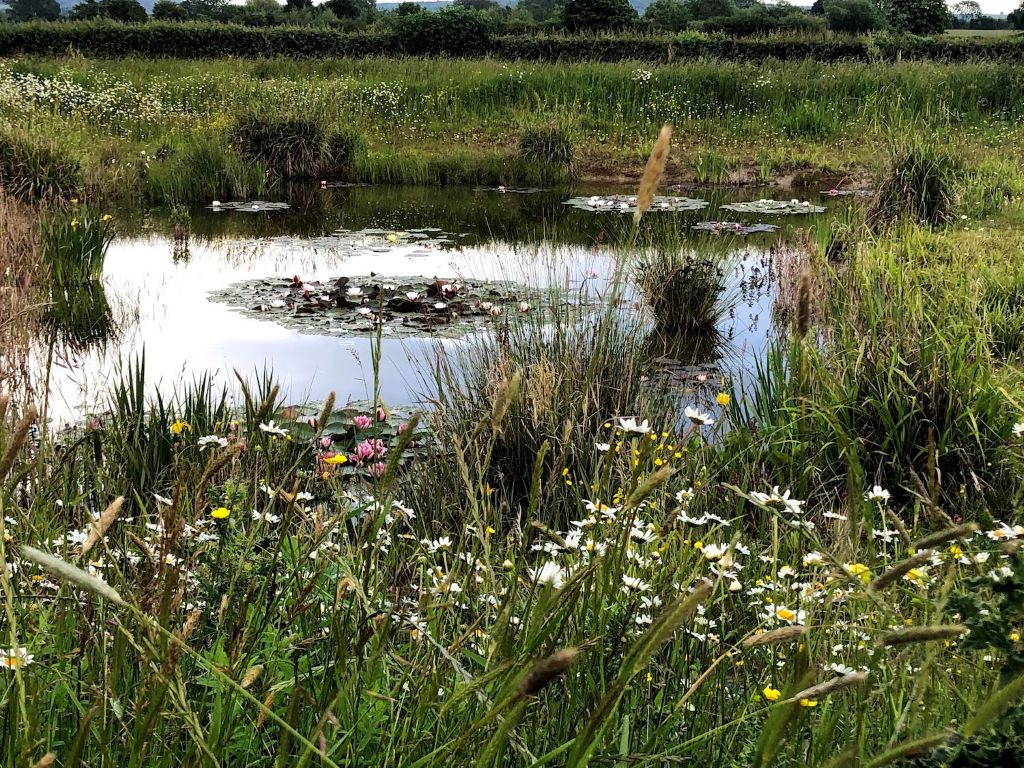
Trees may grow where graves have been dug, meadows may bloom with wildflowers, and wildlife may return to the area. In this way, a burial ground can also function as a conservation space, supporting biodiversity and protecting green land for future generations.
For families, this can provide a different kind of memorial. Instead of a stone marker, the legacy might be a woodland that continues to grow and change with the seasons.
Considering a natural burial
Choosing a natural burial or green funeral is a personal decision, and it is not the right choice for everyone. However, for those who care deeply about sustainability or who feel drawn to the idea of returning to nature, it can be a meaningful alternative to more conventional options.
Across the UK there are now hundreds of natural burial grounds, each offering slightly different landscapes and approaches. Exploring these options, speaking with green funeral providers, or visiting a site in person can help families understand whether this type of farewell feels right for them.
Thinking about funeral wishes in advance can also bring reassurance. Whether planning ahead for yourself or arranging a funeral for someone close to you, understanding the possibilities available can make the process feel less daunting.
Finding green funeral providers
If you would like to explore natural burial grounds, environmentally friendly funeral directors, biodegradable coffins, celebrants, or other green funeral services, you can browse the Dying to Go Green directory. Our directory brings together organisations and businesses across the UK that support more sustainable end-of-life choices.