
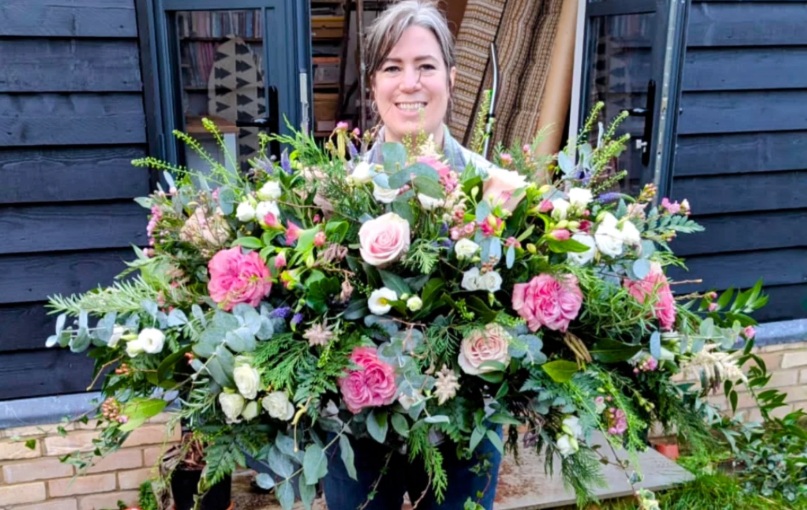
Flowers for a natural burial need to be fully biodegradable and free from plastic, floral foam and synthetic dyes. That is the one rule that cannot be bent. But within that, the range of what is possible is wider and more beautiful than most people realise, and the choices you make can say a great deal about the person being laid to rest.
If you are planning flowers for a natural funeral and are not sure where to start, this guide covers everything you need to know, from what is and is not allowed to how to find a florist who can help you get it right.
Why flowers matter at a natural burial
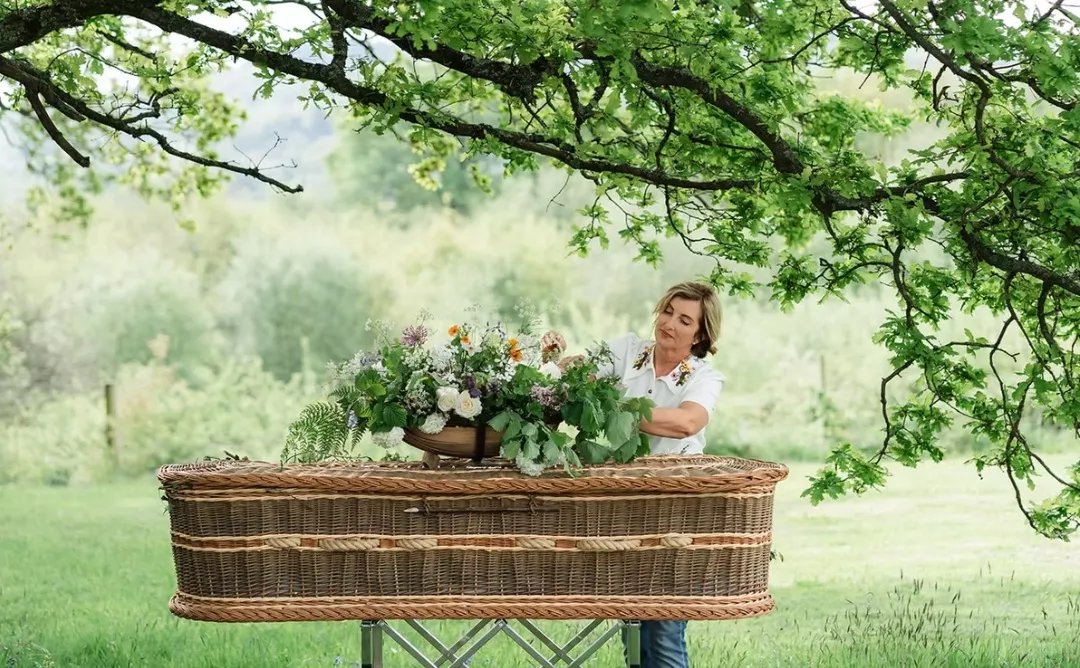
At a natural burial ground, flowers are not just decoration. They are part of the landscape. Unlike a traditional cemetery, where plastic-wrapped tributes can sit on a grave for months, flowers at a natural burial are left to fade back into the earth naturally. That is, in its own way, a beautiful thing.
The best funeral flowers tell the story of the person who has died. The roses from a garden they tended for decades. The wheat from a farmer’s own land. The seasonal wildflowers that reflect the time of year they left. Choosing flowers with care and meaning turns them from a formality into something far more personal.

What is and is not allowed at a natural burial ground?
Every natural burial ground has its own guidelines, so it is always worth checking directly. But most follow similar principles. As a general rule, the following are not permitted:
- Floral foam (also known by the brand name Oasis): a plastic-based product that breaks down into microplastics
- Plastic wrapping, ribbons, wire or cable ties
- Synthetic dyes or glitter
- Cellophane (which is now typically plastic, not the original cellulose-based version).
Flowers that do not meet these requirements will sometimes be removed by the burial ground. This is not a decision anyone wants to deal with at an already painful moment, which is why it is so important to work with a florist who understands the rules from the outset.
So what can you have?
Quite a lot. Natural funeral floristry has grown enormously in recent years, and the results can be genuinely stunning. The key is working with natural materials and letting go of the idea that funeral flowers have to look a certain way.
Options that work well include:
- Loose, hand-tied bouquets in seasonal flowers
- Arrangements built on moss, twine or woven willow rather than foam
- Flowers in jam jars or small vases that can be given to guests after the service
- Dried flowers and seed heads, particularly beautiful in the autumn and winter months
- Foliage, berries and natural British greenery when fresh flowers are limited
- Personal objects used as containers, such as boots, a beloved handbag or a musical instrument, with flowers arranged inside.
One of the most popular choices is to arrange flowers in tied bouquets rather than a single fixed tribute. After the service, the bouquets can be distributed to guests to take home or used to brighten the wake. The flowers continue to bring comfort long after the day itself.
What flowers are in season for a natural burial?
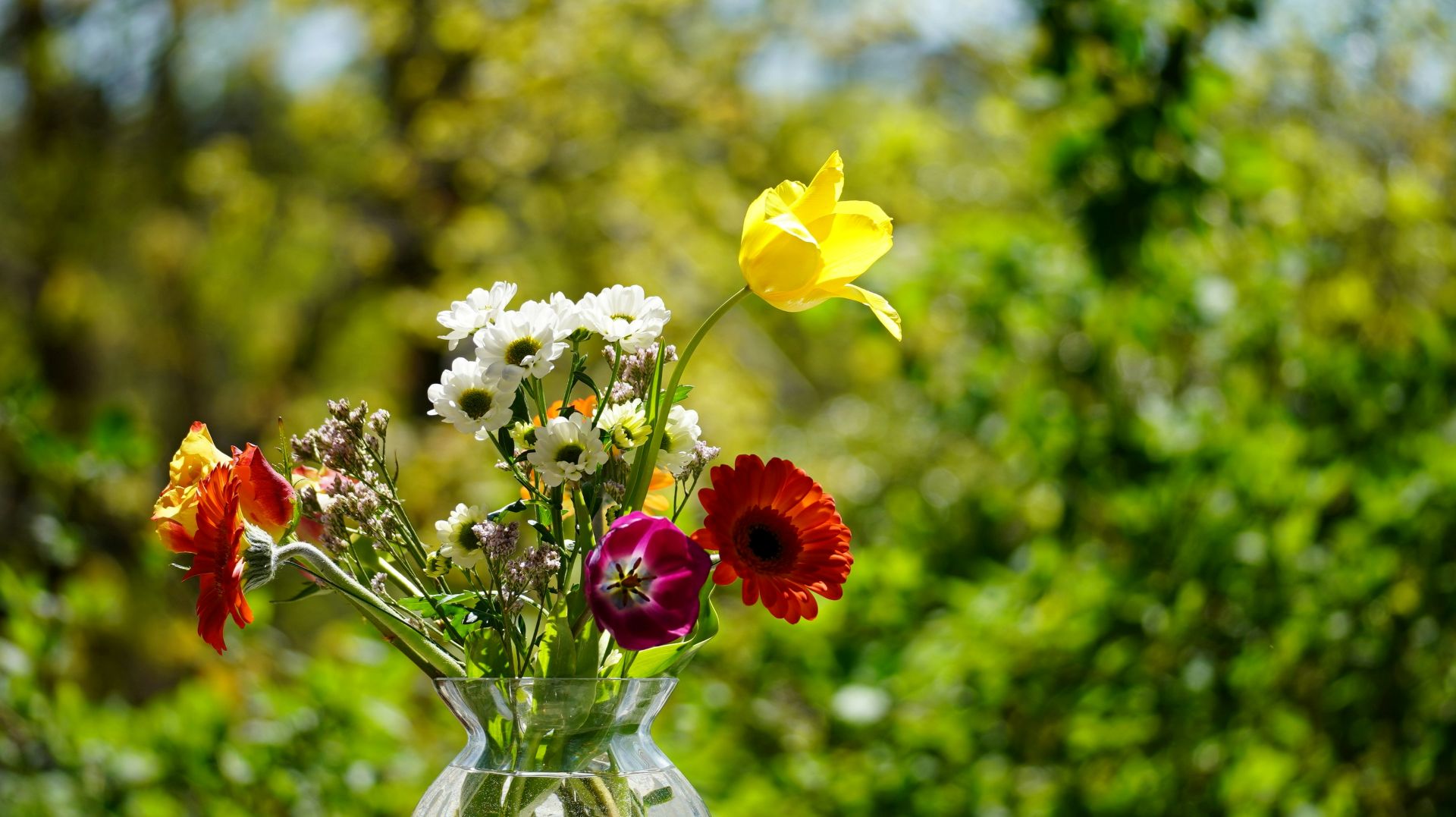
Choosing seasonal British flowers is one of the most meaningful and environmentally responsible choices you can make. Flowers that have been grown locally, in season, carry far less environmental impact than imported stems that have been flown in and chilled across continents.
Here is a rough guide to what is typically available throughout the year:
Spring
Tulips, daffodils, narcissi, ranunculus, blossom, hyacinths and the first alliums of the year. Spring is one of the most generous seasons for British flowers.
Summer
Sweet peas, dahlias, roses, delphiniums, cornflowers, lavender, peonies and an abundance of wildflowers. Summer offers the widest choice of all.
Autumn
Dahlias continue well into autumn, joined by chrysanthemums, sunflowers, rosehips, blackberries, seed heads and beautiful British foliage in warm tones of amber and red.
Winter
Winter is the most challenging season, but far from impossible. Hellebores, snowdrops, ivy, holly, skimmia and dried flowers all work beautifully. Narcissi from the Isles of Scilly often become available from November. A good eco florist will know exactly where to source what is available and how to make it look stunning whatever the time of year.

Why choosing the right florist matters
Not every florist is familiar with the requirements of a natural burial ground. Many high street florists still rely on floral foam and imported stems as standard. Arriving on the day with flowers that cannot be placed on the grave is an experience nobody should have to go through.
An eco-friendly florist will talk you through what is in season, help you personalise the flowers to the person who has died and create something that works within the burial ground’s guidelines. They will also have thought about the mechanics of the arrangements, so that nothing going into the ground is anything other than fully natural.
When you contact a florist, it is worth asking directly: do you use floral foam? Do you work with seasonal British flowers? Have you done flowers for a natural burial before? The answers will tell you quickly whether they are the right person for the job.
Your funeral director or natural burial ground may be able to recommend a florist they have worked with and trust. The Dying to Go Green directory also lists eco-friendly florists across the UK who specialise in natural and green funerals.
Key takeaways
- Natural burial grounds require fully biodegradable flowers with no floral foam, plastic, wire or synthetic dyes
- Seasonal British flowers are the most meaningful and sustainable choice
- Tied bouquets, jam jar arrangements and dried flowers all work beautifully without foam
- Flowers can be personalised to reflect the person, from garden favourites to flowers grown on their own land
- Arrangements designed to be shared after the service give the flowers a life beyond the day
- Working with an experienced eco florist takes the stress out of the process and ensures nothing ends up being removed on the day
- Your funeral director, burial ground or the Dying to Go Green directory can all help you find the right florist.
Find green funeral flowers near you
Looking for an eco-friendly florist for a natural burial or green funeral? Search the Dying to Go Green directory to find sustainable florists, natural burial grounds and green funeral suppliers across the UK.