
According to the SunLife Cost of Dying Report 2025, direct cremation now accounts for around 20% of all funerals in the UK, up from just 3% in 2019. It is heavily advertised as the simplest and most affordable option, and for some families it genuinely is the right choice. But for a growing number of people, it is leaving something behind that no amount of money can fix: the feeling that they never properly said goodbye. This article takes an honest look at what direct cremation involves, what it may not include, and what the alternatives are for families who want something simple, affordable, but meaningful.
What is direct cremation?
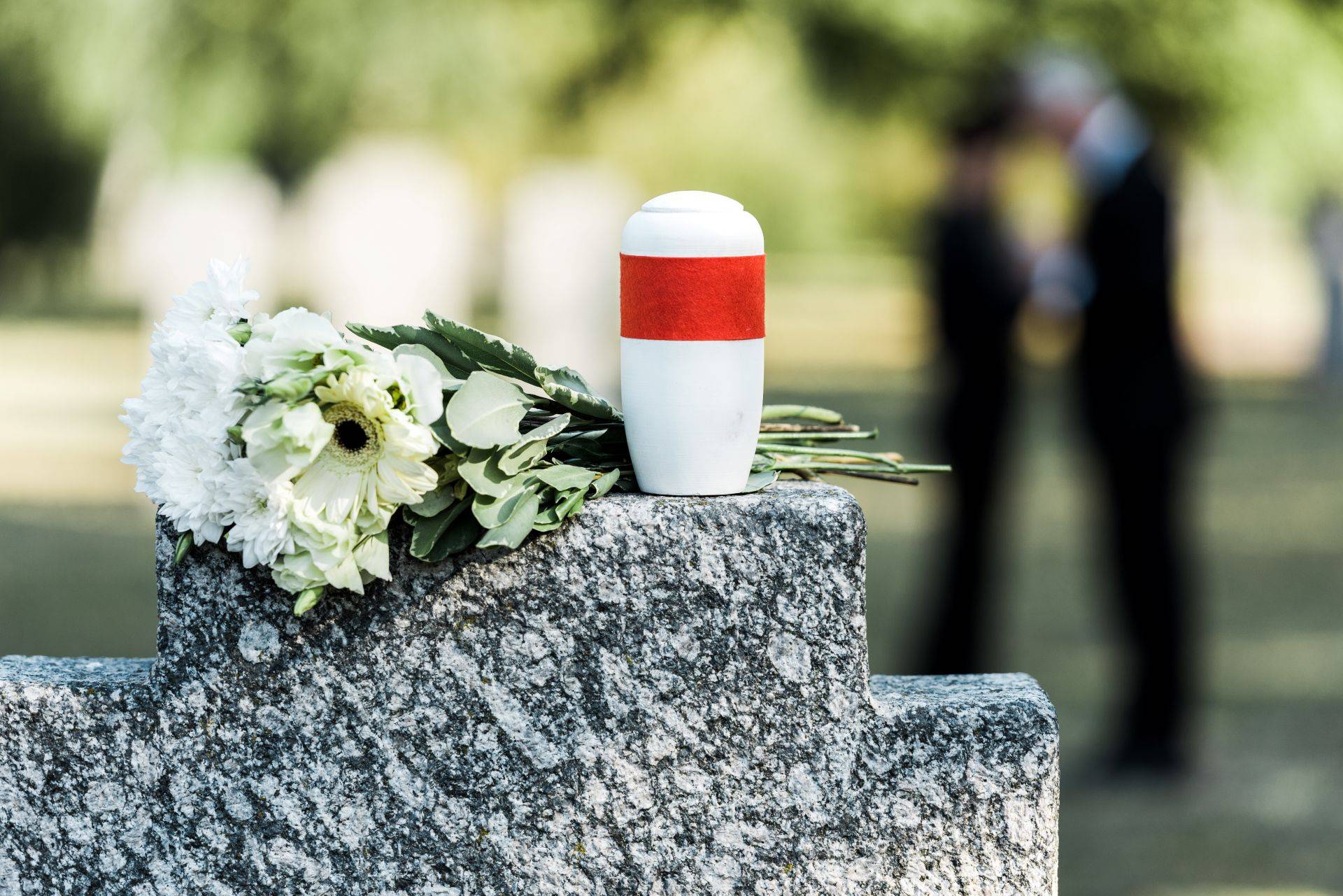
Direct cremation is when the cremation of a body takes place without a funeral service. When a person dies, their body is collected, transported and cremated, with the ashes returned to the next of kin. A simple, unattended funeral takes place, where the deceased is taken directly to the crematorium without a formal service or mourners present.
Direct cremation is often cheaper than a traditional funeral, and is marketed as being a simple, cost-saving option – a way of relieving pressure on grieving families. Often, it is chosen by a person as part of a prepaid funeral plan, with the intention of saving their family stress and expense when their time comes.
The appeal is obvious. But that marketing message does not always tell the full story.
What does direct cremation actually include?
Direct cremation providers often operate on a high-volume, low-cost model. The headline price is real, but it is often a base price that does not include everything a family will need.
Common additional costs can include:
- Returning the ashes to the family
- Out-of-hours collection of the deceased
- Storage if the cremation cannot take place immediately
- Any kind of identification or documentation beyond the minimum
- A container for the ashes beyond a basic vessel
- Additional funeral director costs, if using their services.
The final cost can therefore be considerably higher than the advertised price. The high-volume nature of the service also means families often have little contact with the provider and limited transparency about when and where the cremation actually took place.
For some families, that lack of knowledge adds to, rather than reduces, their distress.
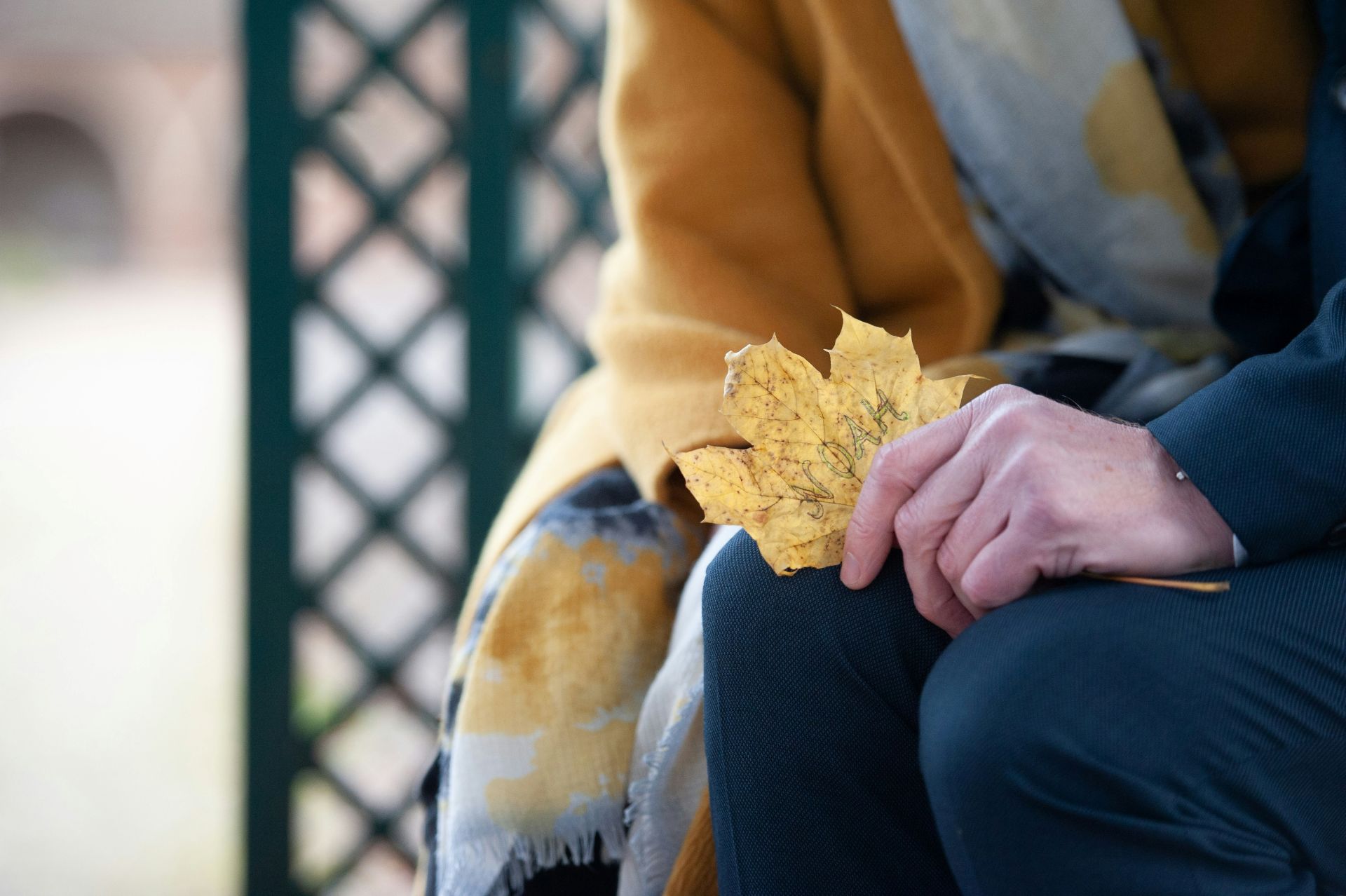
Photo by The Good Funeral Guide
What is the emotional impact of direct cremation on families?
This is the part that matters most, and the part least likely to appear in any advertisement.
Human beings have marked death with ritual and ceremony for as long as we have existed. For many, the gathering, the words, the music, the shared tears and the shared stories are not an optional extra – they are a fundamental part of how we process grief.
When that gathering does not happen, grief can become complicated. Families report a persistent feeling that they did not do enough, that they never had the chance to say goodbye properly, or that the person they loved deserved more. That feeling does not necessarily fade with time.
Many people who choose direct cremation for themselves do so with the best of intentions. They want to spare their family the expense and the stress of organising a funeral. What they may not fully account for is that the people they leave behind will need somewhere to put their grief. A ceremony, however simple, gives them that.
Can you have a meaningful funeral without spending a lot of money?
Yes, and this is perhaps the most important thing to consider. The choice is not between an expensive traditional funeral and a direct cremation with no ceremony. There is a great deal of space in between.
If a direct cremation does take place, nothing stops the family from holding a separate celebration of life or memorial ceremony at a later date, at whatever cost feels manageable. Many families choose to combine this ceremony with scattering or interring the ashes from the direct cremation.
A memorial service following a direct cremation could be held in a home, a park, a church, a village hall, or anywhere else that held meaning for the person. This can be arranged and led by the family, or a funeral celebrant can help create and deliver the ceremony for a minimal extra cost. Family and friends can deliver eulogies, music can be played, poems can be read. It does not need to be expensive to be meaningful.
The key is making sure that this gathering actually happens. In the fog of grief, it is easy for it to be postponed, and then for families to never get round to it and end up feeling that too much time has passed. Therefore, if a direct cremation is planned, it is worth committing to a date for a ceremony before the cremation takes place.
The Windmills Natural Green Burial
Is a natural burial cheaper than a traditional funeral?
Yes, a natural burial can often be cheaper than a ‘traditional’ funeral, and this is an option that does not get nearly enough attention alongside direct cremation. Many people assume natural burial is expensive or complicated. In practice, a simple natural burial can cost less than a traditional funeral and sometimes less than a direct cremation, once all the additional costs are factored in.
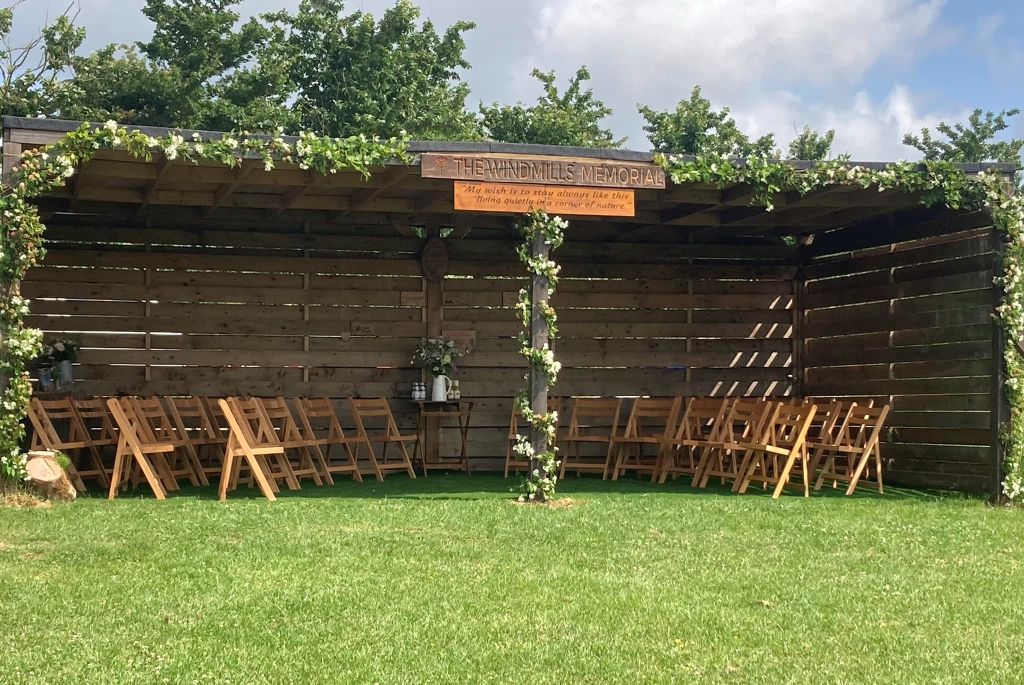
A natural burial involves burying the body in a biodegradable coffin or shroud, in a natural burial ground set within woodland, meadow or countryside. A funeral ceremony can take place at the graveside with no time restrictions and no standard format. It can be as simple and personal as the family wants it to be.
Costs vary between sites, but plot fees at many natural burial grounds are comparable to the true all-in cost of a direct cremation. A biodegradable coffin can cost as little as £100. There is no embalming and no requirement for a hearse or an expensive funeral director package.
If the family prefers, the burial itself can be a small and private affair with just a handful of people at the graveside. A larger celebration of life can then be held separately, at a later date, wherever feels right. The burial ground then remains a place to return to for years to come.
That combination of a low-cost, personal ceremony and a lasting place to grieve is something that direct cremation, for all its appeal, cannot offer.
What should I ask before choosing direct cremation?
Whether you’re planning your own funeral or arranging one for someone you love, these are the questions that matter most before committing to any option:
- What does the advertised price actually include and what will cost extra?
- Will the family have any opportunity to be present at any point in the process?
- If there is no ceremony, when and how will the family gather to grieve?
- Is there a natural burial ground nearby worth visiting before making a decision?
- Would a simple graveside burial followed by a separate celebration of life suit the person and the family better?
Find natural burial grounds near you
Interested in exploring natural burial as an alternative to direct cremation? Search the Dying to Go Green directory to find natural burial grounds and green funeral suppliers across the UK.